Medical Disclaimer: The information on this page is for educational purposes only and does not constitute medical advice. Always consult with a qualified healthcare provider before starting any new supplement, especially if you have existing health conditions, are pregnant or nursing, or take medications. Individual results vary.
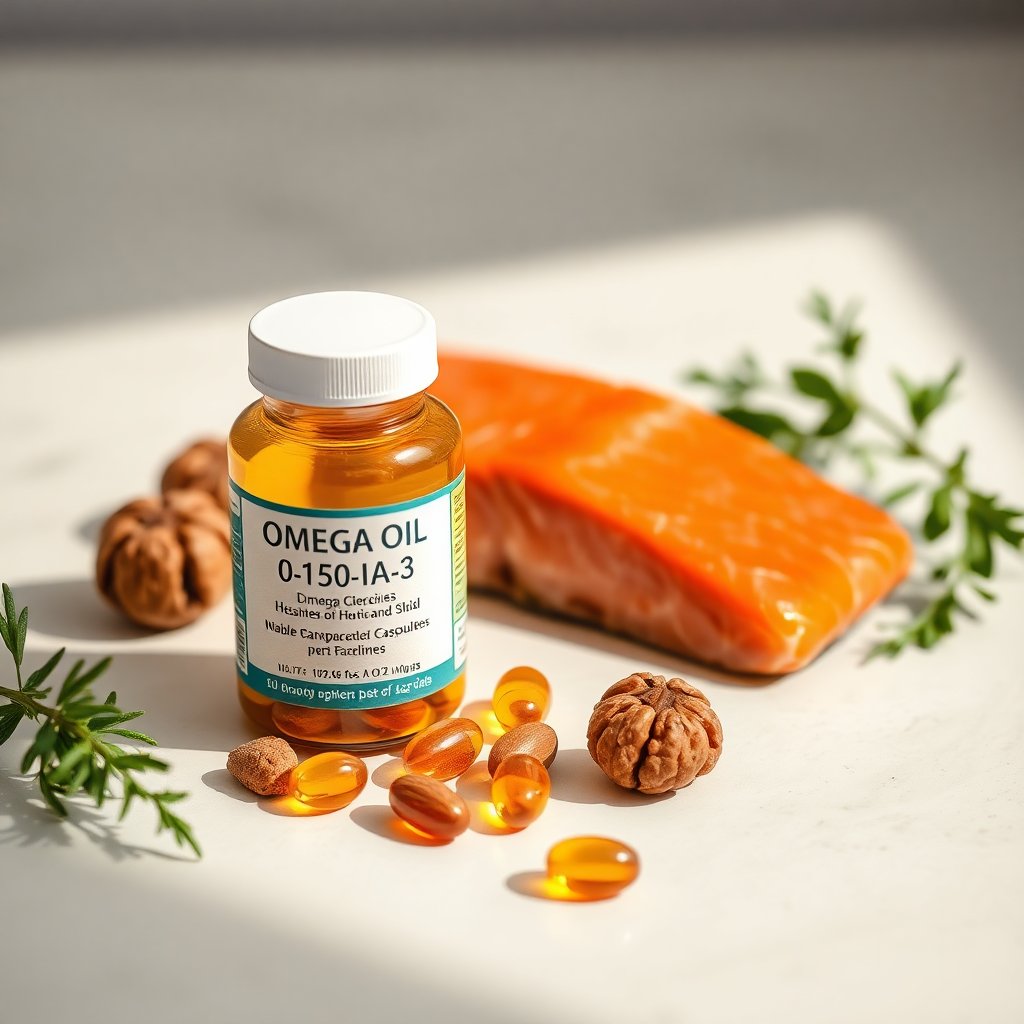
Omega-3 fatty acids (EPA and DHA) are among the best-studied supplements in medicine. During perimenopause, their relevance increases across several domains: cardiovascular protection becomes more urgent as estrogen's cardioprotective effects decline, mood changes often appear for the first time, and cognitive changes are a common complaint.
Here's what the evidence actually shows and how to use it.
Why Omega-3 Matters More During Perimenopause
Estrogen has significant protective effects on the cardiovascular system, mood regulation, and brain function. As estrogen levels fluctuate and eventually decline during the perimenopause transition:
- Cardiovascular risk increases — Women's heart disease risk rises substantially after menopause. Omega-3s are among the most evidence-backed nutrients for cardiovascular protection.
- Inflammation increases — Estrogen has anti-inflammatory properties. Its decline can increase systemic inflammation, which affects everything from joint pain to mood.
- Mood dysregulation — The brain's serotonin and dopamine systems are estrogen-sensitive. Omega-3 EPA is a key modulator of these pathways.
- Cognitive changes — DHA is a structural component of brain cell membranes. Adequate DHA is foundational for brain health.
The timing of perimenopause — typically mid-40s to early 50s — coincides with the period where these protective systems begin to shift. Omega-3 supplementation is one of the most accessible, evidence-supported interventions available during this transition.
What the Research Shows
Cardiovascular Health — Strong Evidence
The American Heart Association recommends omega-3 fatty acids for people with existing cardiovascular disease and as part of a heart-healthy diet for everyone. The landmark VITAL trial (2019, published in NEJM) found omega-3 supplementation at 1g/day reduced major cardiovascular events by 28% in people who rarely ate fish.
For perimenopausal women who are entering a period of increased cardiovascular risk, this is significant. The cardioprotective mechanisms include:
- Reduction in triglycerides
- Anti-inflammatory effects on blood vessel walls
- Modest blood pressure reduction
- Reduced platelet aggregation (blood "stickiness")
Mood and Depression — Moderate to Strong Evidence
A 2014 meta-analysis of 19 clinical trials (Grosso et al., PLOS ONE) found that omega-3 supplementation was associated with significant reduction in depressive symptoms. A key finding: EPA appears to be the more active fraction for mood — supplements with higher EPA:DHA ratios tend to show stronger effects on depression.
Notably, EPA doses of 1–2g/day showed the most consistent benefit in multiple analyses.
Important distinction: The perimenopausal mood changes that emerge from hormonal fluctuation may respond differently than clinical depression. The research doesn't specifically isolate perimenopausal mood changes, but the mechanisms are relevant. EPA's role in serotonin metabolism and inflammatory cytokine reduction are pathways that apply regardless of the hormonal context.
Cognition — Moderate Evidence
DHA is the predominant omega-3 in brain tissue. Long-term studies associate higher fish/omega-3 consumption with reduced cognitive decline. The JAMA Internal Medicine cohort study (Morris et al., 2005) found that people who ate fish at least once a week had significantly less cognitive decline over 6 years.
The "brain fog" that many perimenopausal women describe — difficulty concentrating, word-finding problems, forgetfulness — has multiple potential contributors, including sleep disruption from night sweats, hormonal fluctuation, and stress. Adequate DHA supports the structural integrity of brain cell membranes, which is foundational to neurological function regardless of other factors.
Omega-3 supplementation has shown mixed results in older adults with existing cognitive decline — results are more positive in people who are deficient and earlier in the cognitive aging process. Perimenopause may be an important preventive window.
Inflammation and Joint Pain
Omega-3s have well-documented anti-inflammatory effects. Multiple trials show reduced joint stiffness and pain in people with inflammatory conditions. Perimenopausal joint pain (related to declining estrogen's anti-inflammatory role) may respond similarly, though perimenopause-specific research is limited.
The mechanism is relevant: EPA and DHA compete with arachidonic acid (AA) in the inflammatory pathway, reducing the production of pro-inflammatory prostaglandins. Less systemic inflammation means less joint pain, less cardiovascular risk, and potentially better mood — the effects are interconnected.
What to Look for in an Omega-3 Supplement
EPA vs DHA Ratio
- For mood/depression support: Choose a product with higher EPA (at least 2:1 EPA:DHA ratio)
- For brain/cognitive support: Higher DHA is preferable
- For general use/cardiovascular: Balanced EPA+DHA is fine
Target: at least 1–2g combined EPA+DHA per day from supplemental fish oil. Note that the total fish oil dose is different from EPA+DHA dose — a 1,000mg fish oil capsule may contain only 300mg of EPA+DHA combined.
Quality Markers
- Third-party tested: Look for IFOS (International Fish Oil Standards) certification or NSF certification — these verify potency and purity independently
- Triglyceride form vs ethyl ester: Triglyceride-form omega-3 is better absorbed (look for this on the label or ask the manufacturer)
- Fresh, not rancid: Rancid fish oil may do more harm than good. Quality brands test for oxidation (TOTOX value). Cut open a capsule — it should smell like mild fish, not strongly rancid.
- Molecular distillation: Removes heavy metals (mercury, PCBs) and other contaminants
→ View high-quality omega-3 fish oil on Amazon
Top Product Features to Check on the Label
When reading an omega-3 supplement label:
- Serving size — How many capsules constitute a serving?
- Total omega-3 per serving — The broad number
- EPA per serving — Specific EPA content
- DHA per serving — Specific DHA content
- Form — Triglyceride form absorbs better than ethyl ester form
- Certification — IFOS, NSF, or USP
Plant-Based Alternatives
If you don't eat fish or prefer plant-based sources:
Algae-based DHA/EPA — This is where fish get their omega-3s in the first place. Algae oil provides DHA and EPA directly (unlike flaxseed, which provides ALA that must convert). Conversion is inefficient, making algae oil preferable to flax for actual DHA/EPA needs.
→ View algae omega-3 supplement on Amazon
Flaxseed oil — Provides ALA, which converts to EPA/DHA at low efficiency (~5–15%). Better than nothing, but not equivalent to direct EPA/DHA supplementation for the benefits described in this guide.
Chia seeds, walnuts, hemp seeds — Good dietary ALA sources, same conversion limitation as flaxseed. Worth including in the diet but not a substitute for EPA/DHA.
How to Get More Omega-3 From Food
Supplementation doesn't replace dietary omega-3. Aim for 2+ servings of fatty fish per week:
- Salmon — ~1,500–2,500mg EPA+DHA per 3 oz serving
- Mackerel — ~1,000–2,500mg per 3 oz
- Sardines — ~1,000–1,500mg per 3 oz (canned in water or olive oil)
- Anchovies — ~900–1,500mg per 3 oz
- Herring — ~1,500–2,500mg per 3 oz
Canned sardines and mackerel are among the most affordable and sustainable fatty fish options. Their smaller size also means lower mercury accumulation compared to larger fish like tuna.
Safety and Interactions
Blood thinning: Omega-3s at higher doses (3g+/day) can have anticoagulant effects. Discuss with your doctor if you:
- Take blood thinners (warfarin, aspirin, newer anticoagulants like Eliquis or Xarelto)
- Are scheduled for surgery (stop 1–2 weeks before)
- Take other supplements with blood-thinning properties (fish oil + high-dose vitamin E, ginkgo, garlic)
Blood sugar: Some people with diabetes notice mild blood sugar effects at higher doses. Monitor if relevant.
Fishy burps / GI upset: The most common side effect. Minimize by:
- Taking with food (especially a meal containing fat, which improves absorption)
- Choosing enteric-coated capsules
- Storing in the freezer (frozen capsules dissolve later in the digestive tract)
Mercury and contaminants: Molecular distillation in quality fish oil products removes mercury and other contaminants. Look for IFOS-certified products. Pregnant women and those planning pregnancy should be especially careful to choose products with contamination testing.
Omega-3 and Other Perimenopause Supplements
Omega-3 works well alongside other commonly used perimenopause supplements:
Magnesium — Complementary for sleep support and mood regulation. No known interaction with omega-3.
Vitamin D — Often paired with omega-3 for bone and cardiovascular health. Fat-soluble like omega-3; take together with meals for best absorption.
Ashwagandha — Some evidence for cortisol reduction and mood support. No known interaction with omega-3.
See our related guides on magnesium for perimenopause and vitamin D and menopause for more detail on complementary approaches.
Omega-3 Supplement Comparison Table
| Product Type | Best For | EPA Focus | DHA Focus | Price Range | |--------------|----------|-----------|-----------|-------------| | High-EPA fish oil (IFOS certified) | Mood, inflammation | ⭐⭐⭐⭐⭐ | ⭐⭐⭐ | $25–50/month | | Balanced EPA+DHA fish oil | General health, cardiovascular | ⭐⭐⭐⭐ | ⭐⭐⭐⭐ | $20–40/month | | Algae-based DHA | Brain health, vegan | ⭐⭐ | ⭐⭐⭐⭐⭐ | $30–55/month | | High-DHA fish oil | Cognitive support | ⭐⭐⭐ | ⭐⭐⭐⭐⭐ | $25–45/month | | Cod liver oil | Omega-3 + Vitamins A&D | ⭐⭐⭐ | ⭐⭐⭐ | $15–30/month |
→ Shop omega-3 supplements on Amazon
Questions for Your Doctor
Before starting omega-3 supplementation, consider discussing:
- Given your personal cardiovascular risk, would omega-3 supplementation be beneficial?
- Are there any concerns about fish oil given your current medications?
- Should you prioritize EPA or DHA based on your specific symptoms?
- What dose would your provider recommend for you specifically?
- Do your current lab values (triglycerides, inflammatory markers) suggest omega-3 supplementation is indicated?
Your healthcare provider can also order a blood test for omega-3 levels (the omega-3 index) — this measures the percentage of EPA+DHA in red blood cell membranes and gives a direct measure of your omega-3 status. An omega-3 index above 8% is associated with the best cardiovascular outcomes.
FAQ
How long does it take to notice effects from omega-3 supplementation? For cardiovascular effects (triglyceride reduction), improvements may be measurable in blood work within 4–8 weeks. For mood and cognitive effects, allow 8–12 weeks of consistent supplementation before evaluating. Red blood cell omega-3 levels (which the omega-3 index measures) turn over on a roughly 120-day cycle.
Can I take omega-3 with my birth control or hormone therapy? No known interactions between omega-3 and hormonal contraceptives or menopausal hormone therapy. Always disclose all supplements to your prescribing physician, but omega-3 is generally considered safe to combine with these.
What's the maximum safe dose of omega-3? The FDA considers up to 3g/day of EPA+DHA from supplements as generally recognized as safe (GRAS). Higher doses (used in some therapeutic contexts for triglycerides) should be managed by a healthcare provider due to potential anticoagulant effects.
Is krill oil better than fish oil? Krill oil provides EPA and DHA in phospholipid form, which may have slightly better absorption than standard fish oil ethyl esters. However, triglyceride-form fish oil has similar or better absorption, and krill oil typically costs more per gram of EPA+DHA. Both are good choices; the form matters more than the source.
Should I take omega-3 in the morning or evening? No strong evidence for one time over the other. The most important factor is taking it with a meal that contains fat, which improves absorption. Consistency matters more than timing — pick a time that's easy to remember and stick with it.
The Peri Path is an independent evidence-based wellness site. The information provided is for educational purposes only and is not a substitute for professional medical advice, diagnosis, or treatment. Always seek the advice of your physician or other qualified health provider with any questions you may have regarding a medical condition. As an Amazon Associate we earn from qualifying purchases.
As an Amazon Associate we earn from qualifying purchases. This article contains affiliate links; if you buy through them we may earn a small commission at no additional cost to you.